
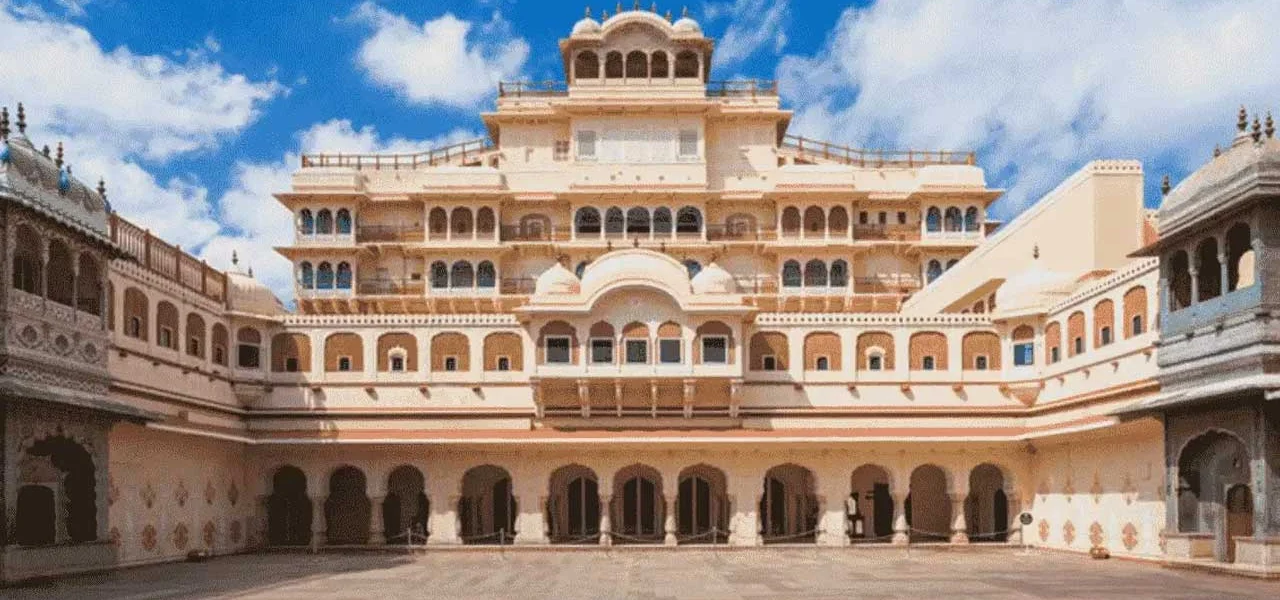
Stone and sky speak where pink walls meet travelers first in Jaipur, the capital of Rajasthan. Long ago, King Jai Singh the Second, it shaped its bones into place. Royalty lingers softly in palaces that seem to murmur rather than shout. Time watches closely behind fortress walls, holding centuries still. By day, cloth, scent, and noise tangle in market lanes buzzing without pause. Stillness hides where old stairs meet quick grins, caught by photos. Quiet history moves through hidden yards, saying nothing loud. Marble carvings pull some in; unplanned seconds keep them longer. What each person takes away has no shape, yet it stays.
1. Hawa Mahal Palace of Winds:
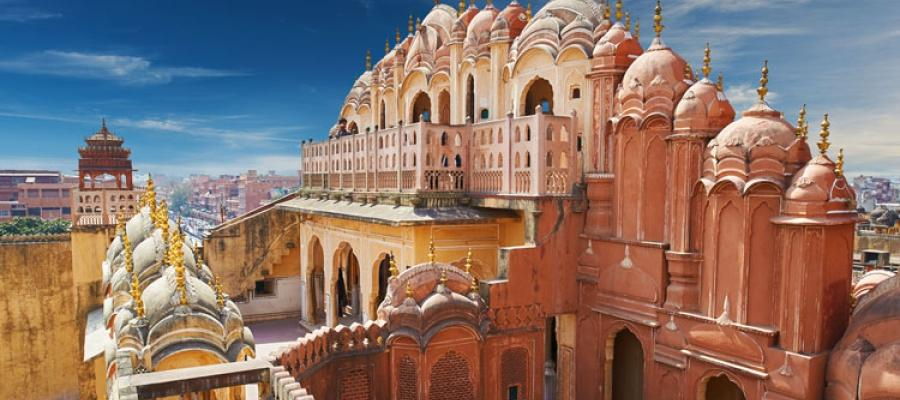
Up close in Jaipur, the Hawa Mahal stands out because of how it looks. Built by 1799, five levels stretch upward, filled with almost one thousand small windows known as jharokhas. Thanks to those gaps, air flows easily across the inner corridors. Royal women once watched parades and city scenes from behind screened niches, unseen by those below. Shaped like a beehive, its walls glow in pink stone, drawing camera clicks and quiet stares alike. Few buildings match its blend of purpose and grace.
2. Amber Fort Stands as Rajput Pride:
Up high on a ridge, Amber Fort draws big crowds every year in Jaipur. Built where sky meets stone, its design mixes Rajput grandeur with Mughal detail. Inside, open spaces unfold—paved yards, throne rooms, green lawns—then the dazzling Sheesh Mahal appears. Known widely as the Mirror Palace, light dances across tiny glass pieces set into walls. From its terraces, sightlines stretch over rolling hills down to the still waters of Maota Lake. Few spots deliver quite this kind of quiet awe amid ancient echoes.
3. City Palace at the center of Jaipur’s royal past:
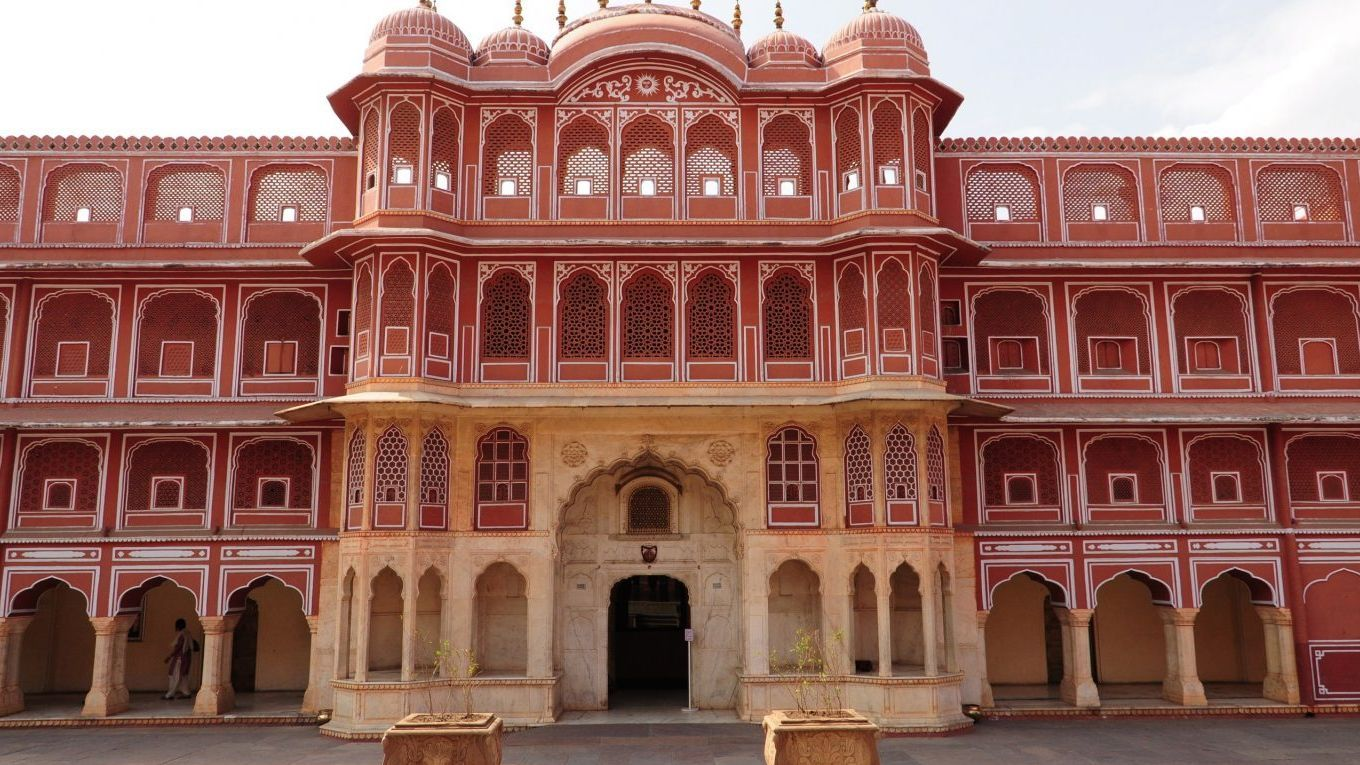
Right in the heart of town stands the City Palace, a sprawling mix of open yards, green spaces, exhibit halls, and old living quarters. Inside, some sections remain home to the descendants of Jaipur’s royalty. Among quiet walls, old clothes rest beside swords once carried into fight. Handwritten pages lie close to things that saw Rajasthan breathe through centuries. Look closer. Arches curve like whispers, stone patterns curl without hurry. Space unfolds slow, shaped by hands long gone. Grandness hides where eyes pause last.
4. Jantar Mantar: The Science In Stone:
Among the heat and grit, Jantar Mantar lingers, softly echoing astronomers who mapped stars with bare hands. Rising through Jaipur’s hazy glow, nineteen tools appear – shaped in rock, meant to endure.. Not conquests or crowns led the Maharaja here, but wonder pulling harder than ambition. The largest sundial ever made stands like a giant’s ruler across time, unmoving yet exact. Time here was not guessed; it was carved into rock and shadow. Each device served a purpose: watching planets, marking eclipses, fixing hours without error. Centuries later, sunlight still hits the marks just as planned. No gears, no wires—just geometry meeting the sky. Visitors pause at how much could be done with shape, angle, and patience. What looks like sculpture behaves like machinery set in stone. Astronomy lived outdoors here, open to wind and monsoon rains. Even now, the scale stuns those who wander close enough to touch history.
5. Jal Mahal: A Palace In The Water:
Standing still in the middle of Man Sagar Lake, water cradles Jal Mahal gently. The Aravalli Hills climb up behind, shaping the view as if drawn by quiet hands. Seeing inside isn’t allowed, yet eyes are drawn anyway—from the shore, every angle looks painted. Moments here slow down, especially when light dances on stone through still water.
6. Nahargarh Fort sunset views:
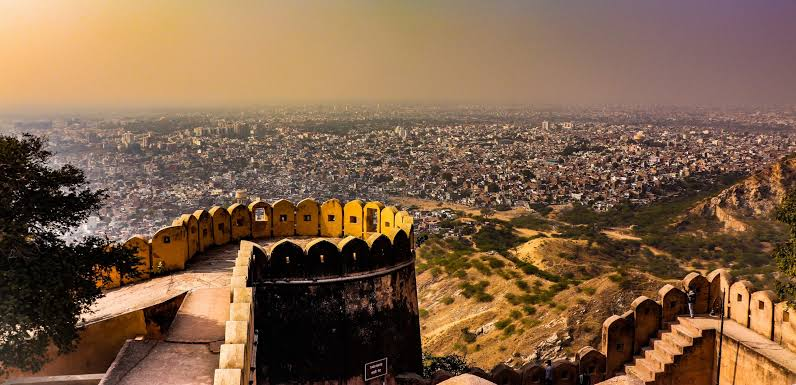
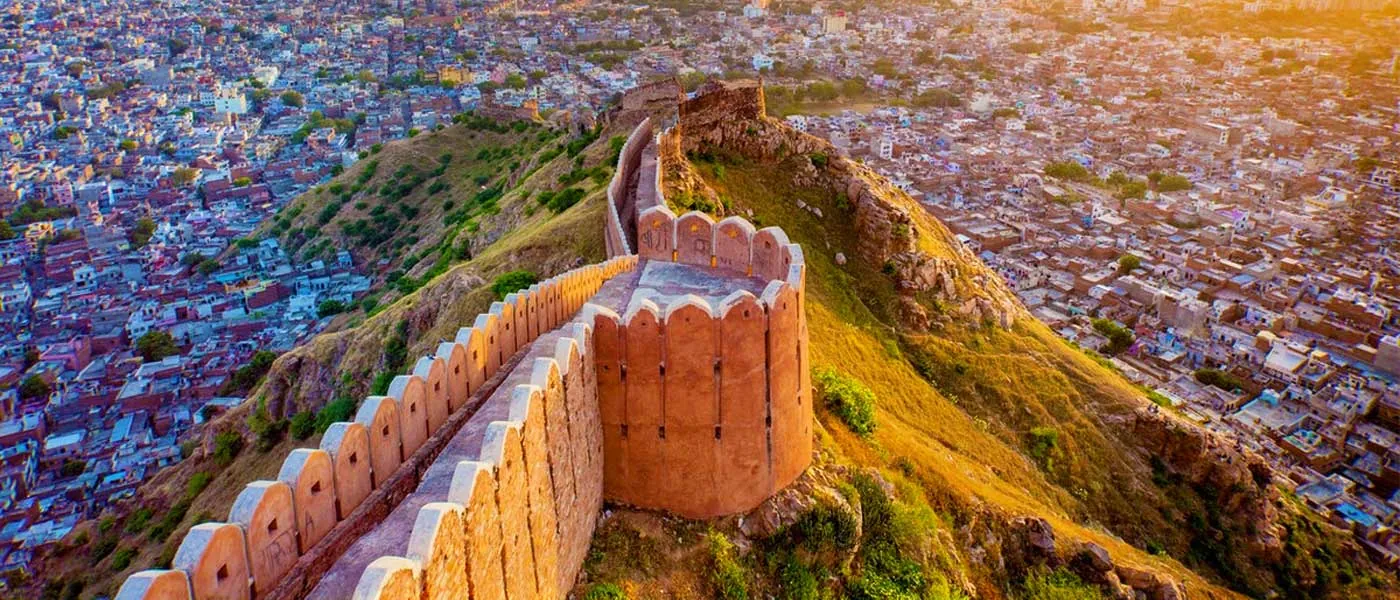
Over the rim of the Aravalli ridge, Nahargarh Fort rests, open to anyone chasing views that stretch beyond walls. Here, the city spreads out – not quick, just gradual – much like fabric unfurling under streaks of shade and hue. Sunlight shifts inward afterward, tracing cracks and corners, pulling folks close whether they admit it or not. Every footfall disappears, still hush lingers, tucked into fractures where old stone holds what it knows. Not only tourists show up, hands full of gear; those who live nearby also arrive, discovering quiet spots within the broken walls.
7. Jaigarh Fort Houses Large Cannon:
Perched close to Amber Fort, Jaigarh Fort stands out for its strong old-world defenses and deep ties to Rajasthan’s past. Inside sits the well-known Jaivana cannon—often called one of the biggest moving cannons ever made. Walking through, people find towers that once watched for enemies, hidden tunnels below ground, and also rooms turned into small displays on war stories from Jaipur. History moves slowly here, seen in stone, iron, and silence.
8. Jaipur Market Colors
Walk through Jaipur’s bustling market streets to begin your visit. In Johari Bazaar, gemstones catch the eye at every turn—this is where traditional jewelry thrives. Over at Bapu Bazaar, fabrics drape every corner alongside hand-carved goods, leather items, and keepsakes. Life hums through these crowded streets, revealing how people here create, trade, and live.
When to Go to Jaipur:
Winter months bring cooler days, making November a quiet start to peak season. Afternoon sunlight fades gently by February, perfect for walking through palace courtyards without hurry. Between these months, festival drums echo across rooftops, pulling visitors into courtyard dances. Sightseers find fort paths less harsh under mild skies than in scorching later months. By March, marigolds line streets ahead of Holi, adding bursts of orange near temple steps.
Conclusion:
History lives loud in Jaipur, where old palaces stand beside busy streets. Not just stone and mortar, but tales echo through Hawa Mahal’s latticed windows. Amber Fort rises on a hill, strong yet whispering centuries gone by. Water holds Jal Mahal steady, silence wrapped around its edges while noise spills elsewhere. Sun climbs, touches rooftops of stalls before voices rise below, packed tight beneath wide air. Whether passing fast or staying slow makes little difference – moments stretch regardless. Each lane holds something older than memory. The pink walls do not shout; they simply exist, deep in India’s royal skin. This place pulls without trying.
Read More:- Top 10 Places to Visit in India